Last updated November 2026.
Promotional items grow a real estate brand when they're tied to the moments that already put you in front of buyers, sellers and neighbours: appraisals, open homes, settlement day, the anniversary of a sale and local events. For real estate agents and small teams, the goal is simple: choose a small range of useful, good-quality items that people will keep in the kitchen, the car or the garden, give each one at a planned moment with a reason to get back in touch, and track which ones lead to appraisals and referrals. The 90-day plan below takes you from nothing to a working program, covering when to give items, what to choose, how much to budget, how to measure results, the legal rules to watch, and a free planner at the end to put it on paper.
Homeowners don't sell often. Cotality's Pain and Gain report for the March 2026 quarter puts the median hold period for houses resold at a profit at 9.1 years. Most of the listings an agent wins in that time come from people who already know them, such as past clients, their friends and family and the neighbours who've seen their signboards. A branded item that's used every week keeps your name in front of those people for years, which makes it a practical way to stay top of mind between transactions. ASI's Ad Impressions Study found promotional products are kept for around eight months on average, and items such as umbrellas for more than a year.
"Agents tend to spend most of their merchandise budget at open homes, on people who may never buy in the area. The better return usually comes from the people who've already trusted them with a sale, and from giving those people something worth keeping."
Jerome Abrahams, owner, Crest Promos
Written by Jerome Abrahams, owner of Crest Promos. Jerome has more than 30 years of experience in promotional products and branded merchandise, supplying businesses ranging from local agencies and sole traders to national brands such as Meta, JCDecaux, Nutrien, White Claw and amps.
Moments in an agent's year that suit promotional products
A promotional item works best when it arrives at a moment the person will remember anyway. Map out the touchpoints you already have before you order anything, because the moment decides who you're reaching, what the item needs to do and how much it's worth spending.
| Moment | Who you're reaching | What the item needs to do | Items that suit it |
|---|---|---|---|
| Appraisal or listing presentation | Homeowners deciding who to list with | Stay on the kitchen bench after you leave and look professional | Presentation folder, quality pen, notepad |
| Campaign launch | Neighbours of the listing | Put your name in the street and invite them to the open home | Fridge magnet with your details, seed packets, a letterbox card with a small gift |
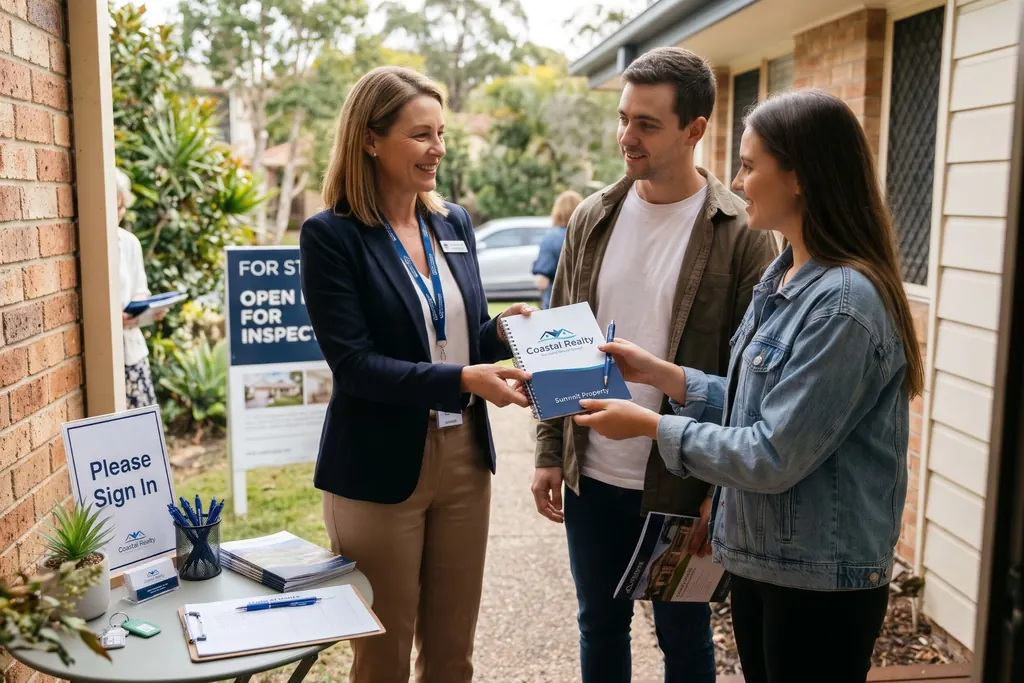
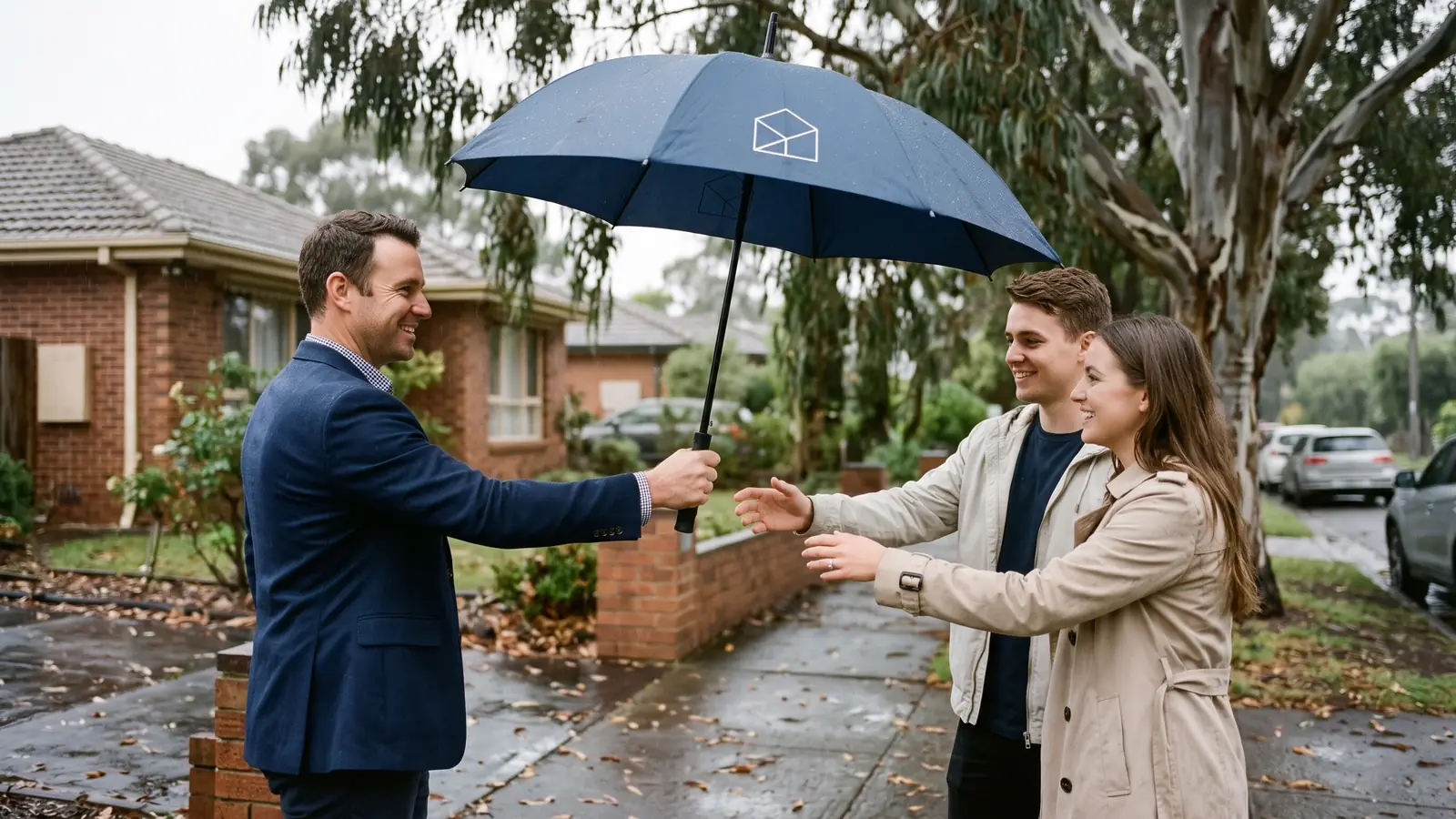
| Open homes | Buyers, many of whom own a home they'll sell later | Earn a name and number and be used after the inspection | Drink bottles in summer, umbrellas in winter, tote bags for brochures |
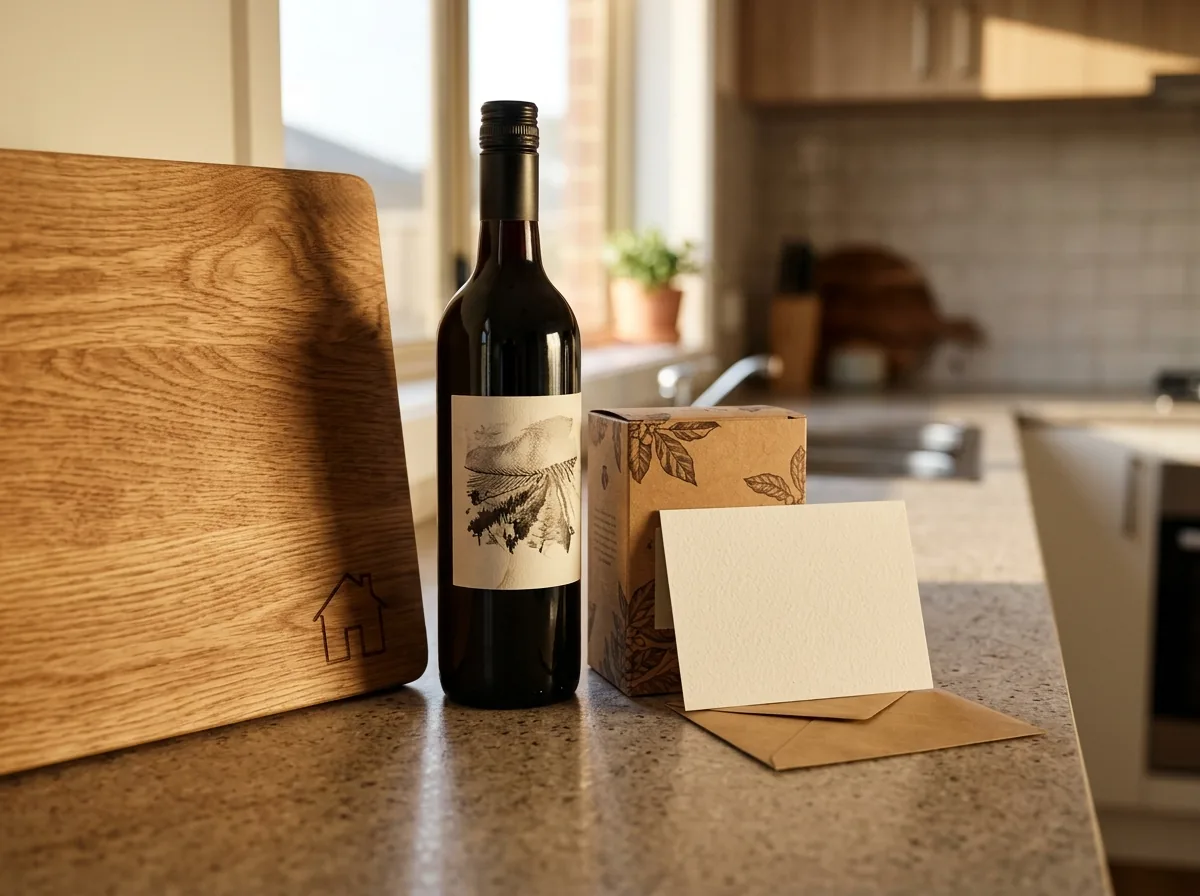
| Sale and settlement | Your vendor and the buyer | Mark the occasion and start a relationship that lasts years | Keyring for the new keys, housewarming gift box |
| Sale anniversary | Past clients | Give you a reason to call on the date they moved in | Card with a small useful gift, such as a coffee cup or garden tool |
| End of year | Your whole database | Sit in the house all year with your name on it | Calendar, Christmas gift for top clients |
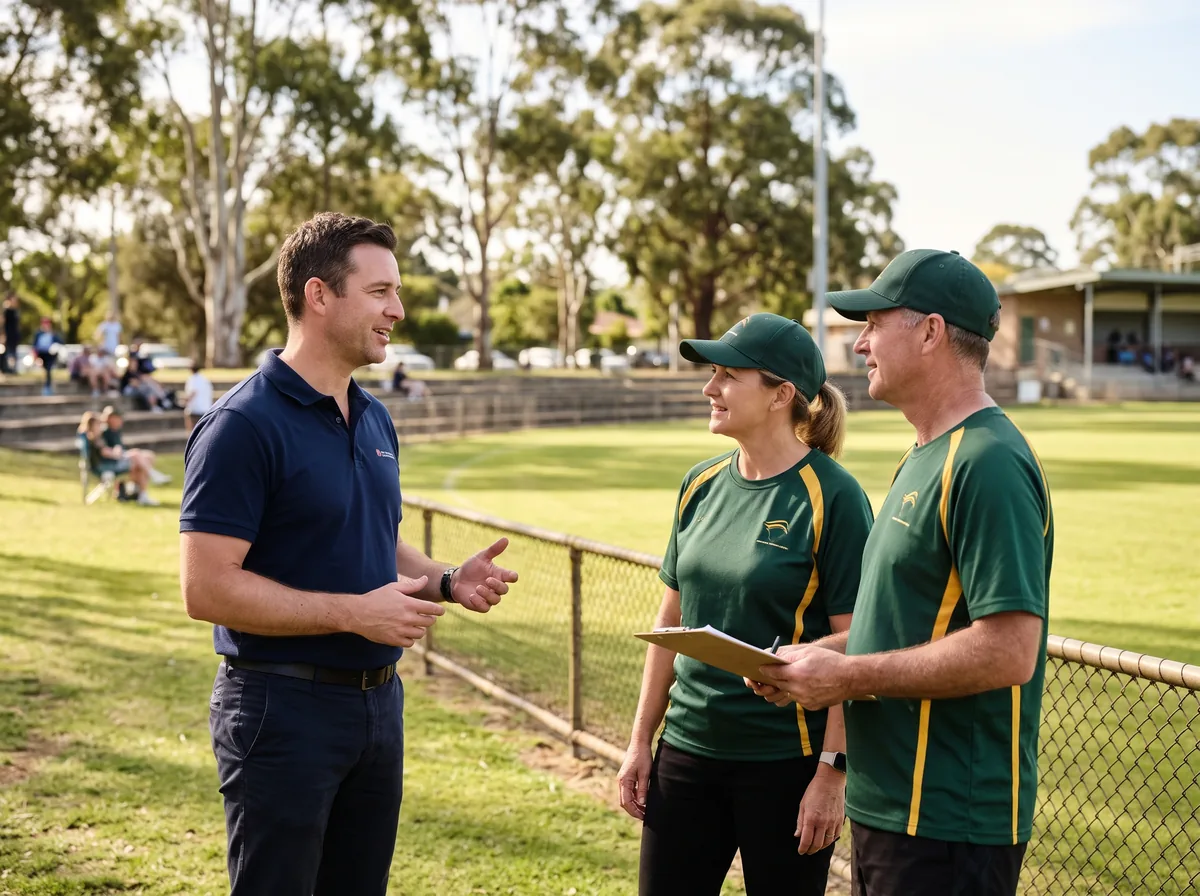
| Local events and sponsorships | Residents of your patch | Build goodwill and recognition in the area | Junior sport team shirts and caps, fete prizes, beach towels |
| Referral thank-you | Clients who send you business | Thank them properly so they do it again | Higher-value gift, such as a cooler bag, picnic set or wine and glasses |
Most agents already have half of these moments in their calendar. The plan below adds the rest a few at a time, so the program stays affordable and you can see what's working.
A 90-day plan to get started
This plan suits an individual agent or a small team. A larger office can run the same steps across every agent, with the principal or marketing manager owning the budget and the supplier.
Weeks 1 and 2: get your database in order
Every touchpoint in this plan depends on knowing who your past clients are and when they bought or sold. Export your CRM and check that each past client has a current address, phone number, email and settlement date. Tag anyone who has referred business to you. Add the open home attendees from the last six months who agreed to be contacted.
Then set a budget. A simple way to do it is to set aside a fixed amount from each sale, for example $150 to $300 per settlement, and a smaller annual amount for open homes, calendars and local events. Write the amount down so the program doesn't stop the first time a month is quiet.
Finally, check your agency's brand guidelines. Most agencies and franchise groups have rules about logo use and colours, and some have an approved supplier list. Your principal or marketing manager will know.
Weeks 3 and 4: choose the items and place the first order
Start with a few touchpoints rather than trying to cover every one at once, and be clear who each one is for. For most agents the best first three are settlement, open homes and the sale anniversary, because they reach people who already know you.
- Choose one item for each touchpoint, using the table further down for ideas and budgets. Choose items that suit your market and your brand rather than generic giveaways.
- Ask your supplier for samples so you can check the quality before you order. An item that breaks in a month says something about your service, so look for items that are practical, durable and good looking.
- Approve proofs for every item, checking your name, phone number, agency logo and colours.
- Order enough for about three months, plus a small buffer. Smaller first orders cost a little more per item but let you change course.
Reusable items such as tote bags or cups can be an eco-friendly option when they suit the audience, and useful tech such as portable chargers can suit some buyers.
While the order is in production, write a short note to go with each item. A settlement gift card might thank the buyer and say you'll check in after they've settled in. An anniversary note might mention a recent sale in their street.
Month 2: launch at settlement and open homes
Hand over the settlement gift in person when you can, at the key handover or a visit in the first week. Take a photo with the client and the gift if they're happy for you to share it. It gives you social content with a real person in it, and you can keep your branding consistent across your social media profiles.
At open homes, give the item to people who leave their details, rather than leaving a pile at the door. Follow up within two days and mention the item, such as the umbrella from Saturday's inspection, so people remember you and can place you.
Record every gift in your CRM against the contact, with the date and the item. That record is what makes the tracking in the next section possible.
Month 3: add a community touchpoint and review
Add one activity in your local community, such as a junior sport team, a school fete or a surf club. Sponsorship works best when it runs for a full season and your name appears on something people use every week, like team shirts or caps. It should support your digital marketing rather than replace it.
At the end of the month, sit down with the numbers. Count how many items went out, how many follow-up conversations they led to and whether any appraisals came from past clients, referrals or open home attendees. Then book your calendar order for the end of the year, which suppliers start taking in September or October.
Items and rough budgets for each touchpoint
The prices below are indicative ranges per item for typical Australian order quantities with a one-colour print or engraving. Your price will depend on quantity, decoration and how many colours your logo uses.
| Item | Best for | Rough cost per item | Things to check |
|---|---|---|---|
| Fridge magnet | Campaign launch, letterbox drops | $0.50 to $2 | Keep your contact details prominent, and add local emergency numbers so the magnet is more useful at home |
| Quality pen | Appraisals, contract signing | $2 to $15 | A metal pen with engraving feels very different from a plastic one |
| Tote bag | Open homes | $3 to $12 | Choose a size that holds a brochure and a drink bottle |
| Keyring | Settlement, as a closing gift | $3 to $15 | Metal or leather lasts years on a set of house keys |
| Calendar | End of year | $3 to $8 | Order by October so it lands in the first week of December |
| Drink bottle or reusable cup | Open homes in warmer months, anniversaries | $8 to $30 | Check it's food safe and dishwasher safe |
| Golf umbrella | Open homes in wet months, top clients | $20 to $50 | A wind-resistant frame is worth paying for |
| Engraved chopping or cheese board | Settlement gift | $25 to $70 | Engrave the new address or the client's family name, with your logo small on the back |
| Housewarming gift box | Settlement, referral thank-you | $80 to $200 | Mix branded items with something local, such as coffee or wine from a nearby business |
A worked example
Take an agent who sells around 30 homes a year, runs two open homes most weekends and has a database of 400 past clients and contacts. A first-year budget could look like this:
- Settlement gifts for 30 buyers and 30 vendors at about $100 each, around $6,000
- Open home items for about 1,000 registered attendees at about $4 each, around $4,000
- Anniversary gifts for 60 past clients at about $15 each, around $900
- Calendars for 400 contacts at about $5 each, around $2,000
- One season of junior sport sponsorship shirts and caps, around $1,500
That comes to roughly $14,400 for the year, or about $480 per sale. If the program brings in two extra listings a year from past clients and referrals, the commission may well cover its cost. The numbers in your own patch will differ, so use the budget sheet in the planner to work out yours.
Measuring the results
Branded merchandise is often treated as something you can't measure, but a real estate agent is in a better position than most businesses to track it. You already record every appraisal and listing, so the job is to record where each one came from.

- Ask every person who books an appraisal how they heard about you, and record the answer in a lead source field in your CRM. Use the same options every time, such as past client, referral, open home, signboard, portal and local event.
- Put a QR code on items with space for one, such as magnets, calendars and gift cards. Link it to a useful page on your website, such as a free appraisal request or recent sales in the area, and add a tracking tag so the visits show up separately in your analytics.
- Keep a record of what each contact received and when. When a past client calls to list, you can see which gifts and calls came before it.
- Every quarter, add up what you spent at each touchpoint and how many appraisals and listings came from it. Divide the spend by the number of appraisals to get a rough cost per appraisal for each one.
Give each touchpoint at least a year before you judge it. A settlement gift given today may not lead to a listing until the client sells in nine years' time, but the referrals it brings in along the way show up much sooner.
Rules to check before you start
A branded item is a form of advertising, and the follow-up that goes with it is direct marketing, so a few rules apply. This is general information, and your agency's licensee or your state's real estate institute can confirm what applies to you.
The Spam Act 2003 covers the emails and text messages you send after giving an item. Under the ACMA's guidance, you need the person's consent to send marketing messages, each message must identify you and your agency, and each must include a simple way to unsubscribe. Asking open home attendees to tick a box agreeing to hear from you covers the consent part.
When you collect names and numbers at an open home, store the details accurately so you can follow up as promised. Larger agencies are covered by the Privacy Act 1988 and the Australian Privacy Principles, and many smaller agencies follow the same principles anyway. Your agency's privacy policy should explain how contact details are stored and used.
State agent laws also cover advertising. In New South Wales, for example, real estate advertising must include the name of the licence holder, which is easy to overlook on a magnet or keyring with only a logo. Check the equivalent rules in your state with your licensee.
Any claim printed on an item has to be accurate. A line such as "Number one agent in your suburb" needs evidence behind it under the Australian Consumer Law, and the REIQ has published guidance on misleading advertising for agents. Your name, phone number and agency are usually all an item needs.
Free real estate promo planner
The planner turns this article into a working document you can print, fill in and keep on your desk. It includes:
- The 90-day plan as a checklist, with space to name your first three touchpoints and a settlement gift checklist covering everything from ordering on time to setting the anniversary reminder
- A 12-month calendar with suggested activities for each month, such as ordering calendars in October and restocking umbrellas before winter, and space to add your own sale anniversaries and local events
- A budget and results tracker for each touchpoint, with columns for quantity, cost, items given, appraisals, listings and cost per appraisal, plus quarterly review questions
Download the real estate promo planner (PDF)
If you manage an office, print a copy for each agent and go through the tracker together each quarter. Comparing results between agents shows quickly which items and touchpoints are worth expanding across the team. You'll find more free downloads in our resources section.
Working with Crest Promos
Crest Promos supplies branded merchandise and gifts to agencies and individual agents across Australia, including open home umbrellas and engraved settlement gifts. We can send samples before you commit, check your artwork against your agency's brand guidelines and hold stock of your regular items so settlement gifts can go out at short notice. Digital proofs are free. Our real estate page has more on what agencies order.
"The agents who get the most from merchandise treat it as part of their follow-up, with a gift, a call and a note in the CRM every time. The ones who order a box of pens and hand them out at random rarely see anything come back."
Jerome Abrahams, owner, Crest Promos
Tell us your touchpoints, quantities and logo. We'll suggest items, with pricing and a free proof.
- Cotality, Pain and Gain report, March 2026 quarter, median hold periods for resales
- ASI, Promo products are kept an average of 8 months, Ad Impressions Study 2016
- Australian Communications and Media Authority, Avoid sending spam
- Office of the Australian Information Commissioner, Australian Privacy Principles
- NSW Government, Real estate agent advertising laws NSW
- REIQ, Misleading and deceptive conduct in advertising
- Crest Promos, What is the best branded drinkware for corporate gifts?
- Crest Promos, Sustainable branded merchandise