A good company uniform supplier does more than sell you shirts. Corporate uniforms also shape your brand, support brand credibility and team identity, so look for a range that will still be available in two years, real help with sizing and fit, decoration that survives commercial washing and a working knowledge of the safety and tax rules that apply to uniforms in Australia. Just as important is what happens after the first order: rolling out to every site, kitting out new starters and reordering without starting from scratch each time.
A uniform program runs for years, so judge suppliers on each stage of it rather than on the first quote and on how well they protect your professional image and brand's image. Poor choices can also hurt a company's reputation over time.
"The first order is the easy part. The test of a uniform supplier is whether that polo, in that colour and with that logo, is still available for your fortieth new starter two years later."
Jerome Abrahams, owner, Crest Promos
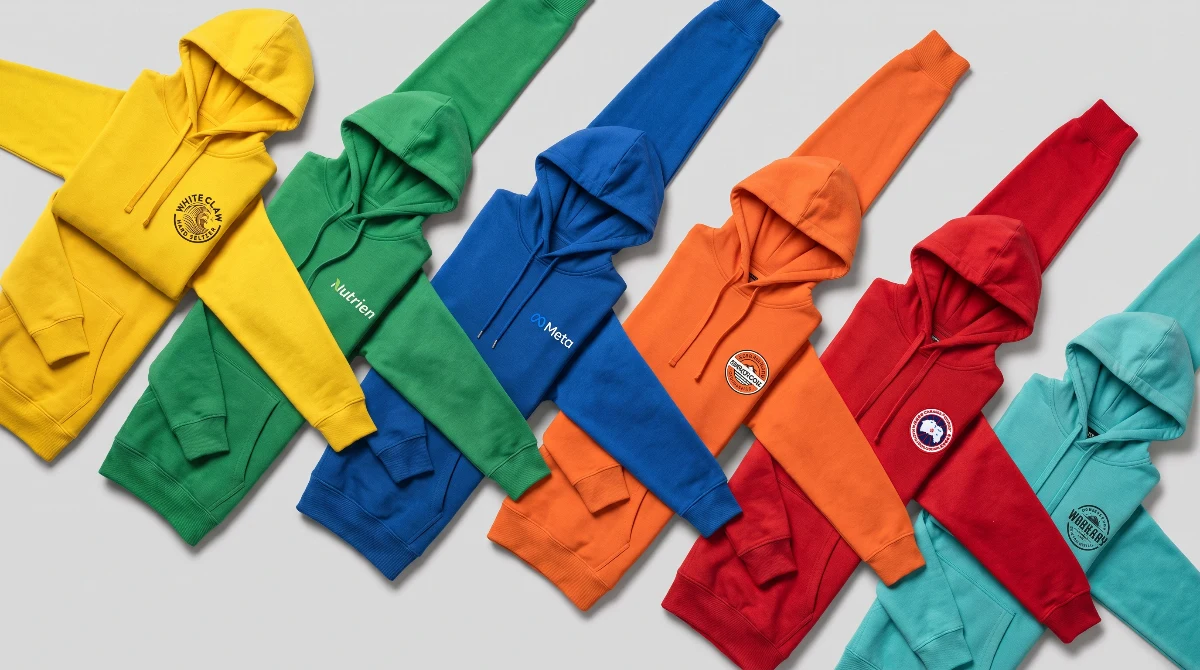
Jerome Abrahams owns Crest Promos, an Australian promotional products and uniform supplier known for hands-on customer service and quality products. He has 30+ years of experience in the industry and has worked with brands including Meta, JCDecaux, Nutrien, White Claw and amps.
Last reviewed November 2026. This article is general information and isn't tax, legal or WHS advice.
Choosing the range of corporate uniforms
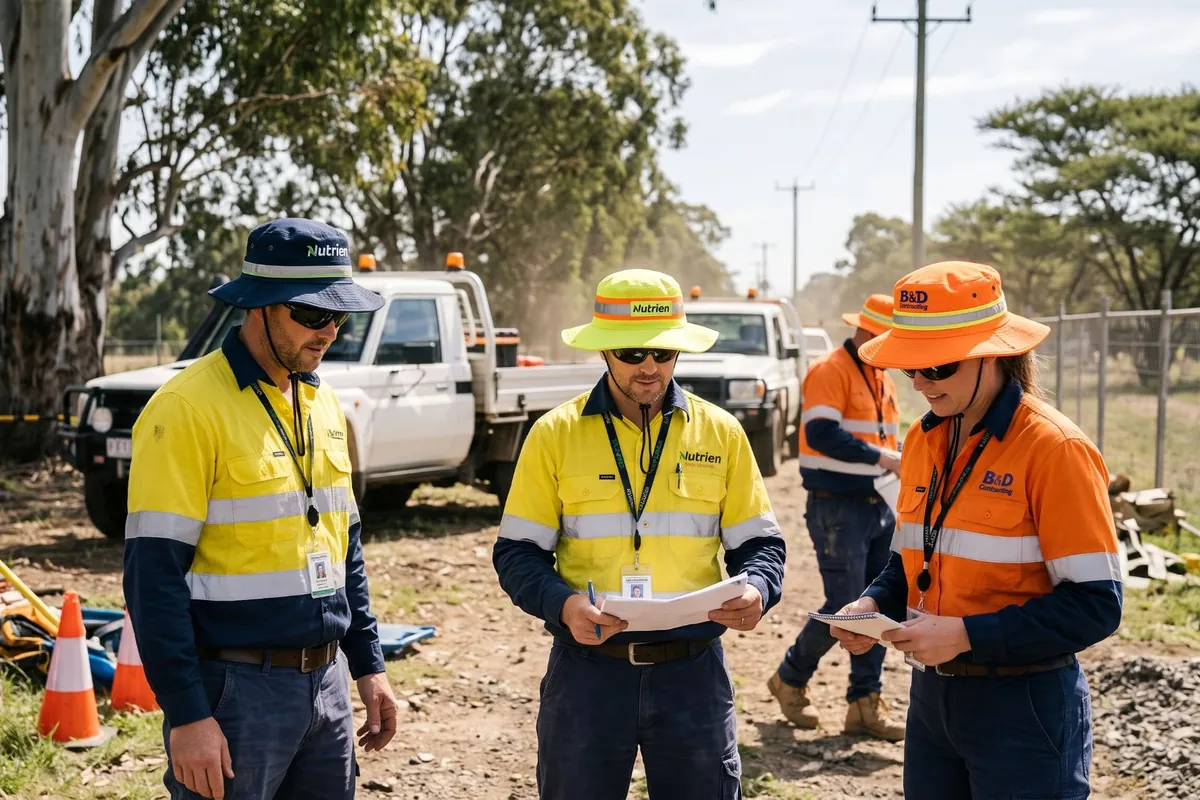
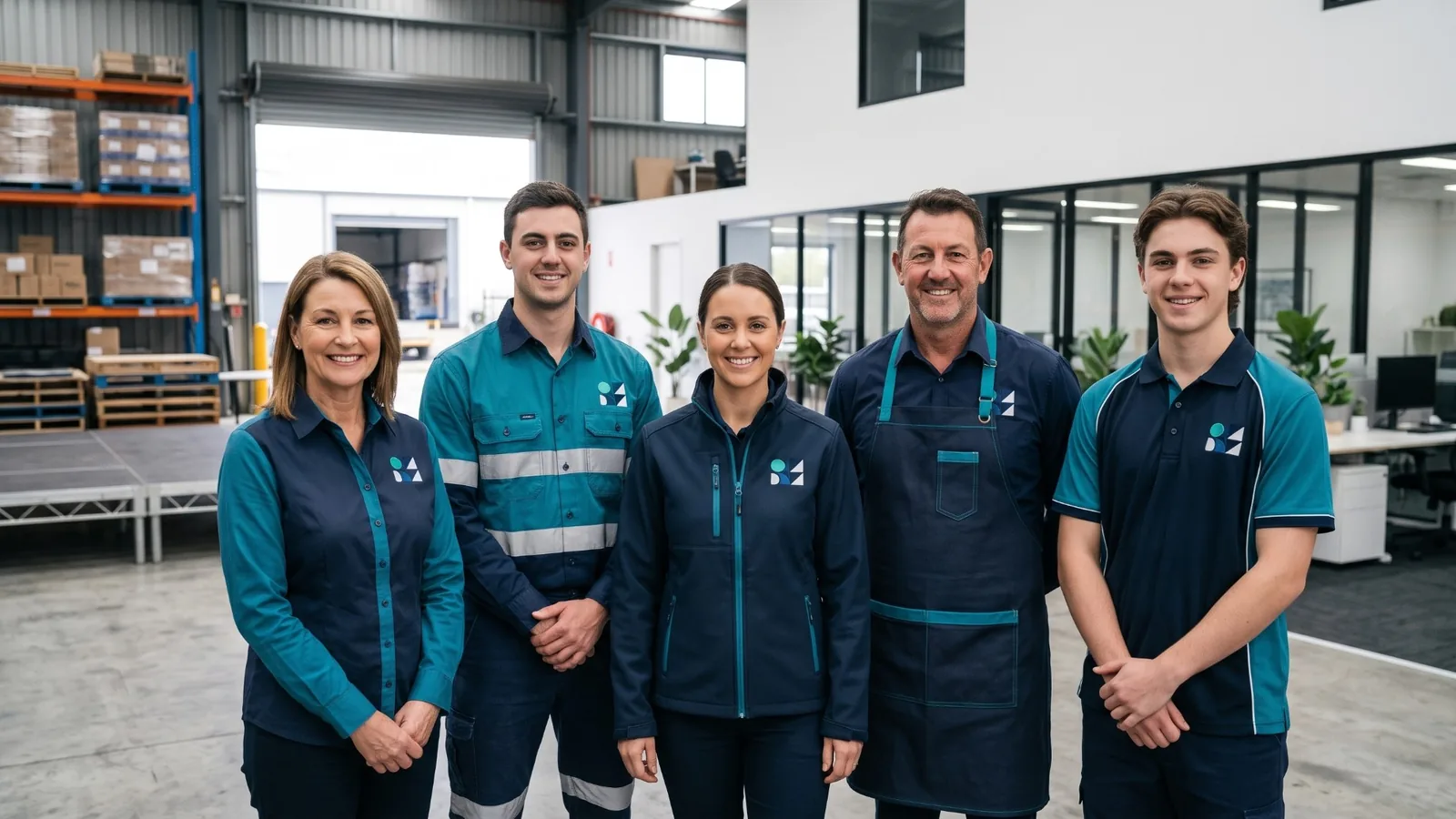
Start with how your team actually works. Office staff, hospitality crews, healthcare workers, warehouse teams and tradies all need different fabrics, cuts and features, and a single business may have several of these groups. Uniforms should also match each job and the work environment. A supplier should ask about the work before showing you garments.
Fabric matters more than most people expect. Polyester-cotton blends hold their colour and shape through frequent washing, moisture-wicking polyester suits active and outdoor roles and 100% cotton feels good but can fade and shrink. For outdoor teams, ask about UPF-rated fabrics and longer sleeves.
Ask how long each style has been in the range and whether it's a core line or a seasonal one. Uniforms are reordered for years, and a shirt that's discontinued after one season leaves you with a mismatched team or a costly full replacement. Suppliers that work with established Australian workwear and corporatewear brands can usually tell you which styles have been stable for a long time.
Check the range covers everyone too. Look for men's and women's cuts, extended sizes, maternity options and garments that suit different body types and cultural requirements, so nobody ends up wearing something that doesn't fit or feel right. It also helps to get input on staff uniforms before you order, so people do not feel uncomfortable or self-conscious, and so the final work uniforms create better morale and productivity while meeting any specific requirements.
Sizing and fitting
Many uniform programs fall down on fit, partly because sizing varies a lot between brands. A medium in one label can fit like a large in another.
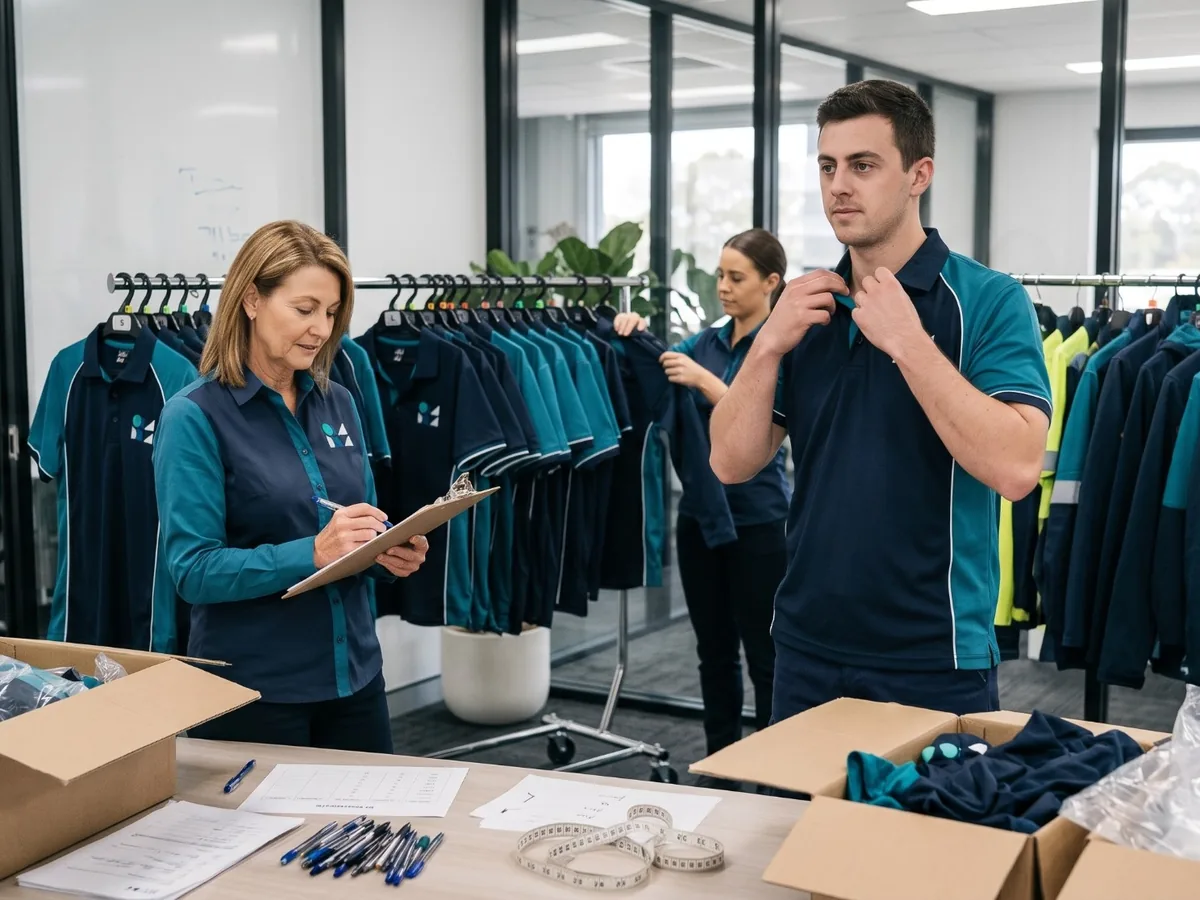
A good supplier will offer size samples or a fitting kit your team can try on before you order, either sent to your office or brought to a fitting session for larger teams. They should also give you each garment's size chart with actual measurements, not just S, M and L.
Collect sizes from every person rather than estimating, and record them somewhere you can reuse at reorder time. Some suppliers will manage this for you through an online ordering portal or a simple size register, which saves a lot of back and forth when you're kitting out a whole team.
Decoration that survives washing
Uniforms are worn and washed far more often than promotional apparel, sometimes through commercial laundries at high temperatures, so the decoration has to keep up.
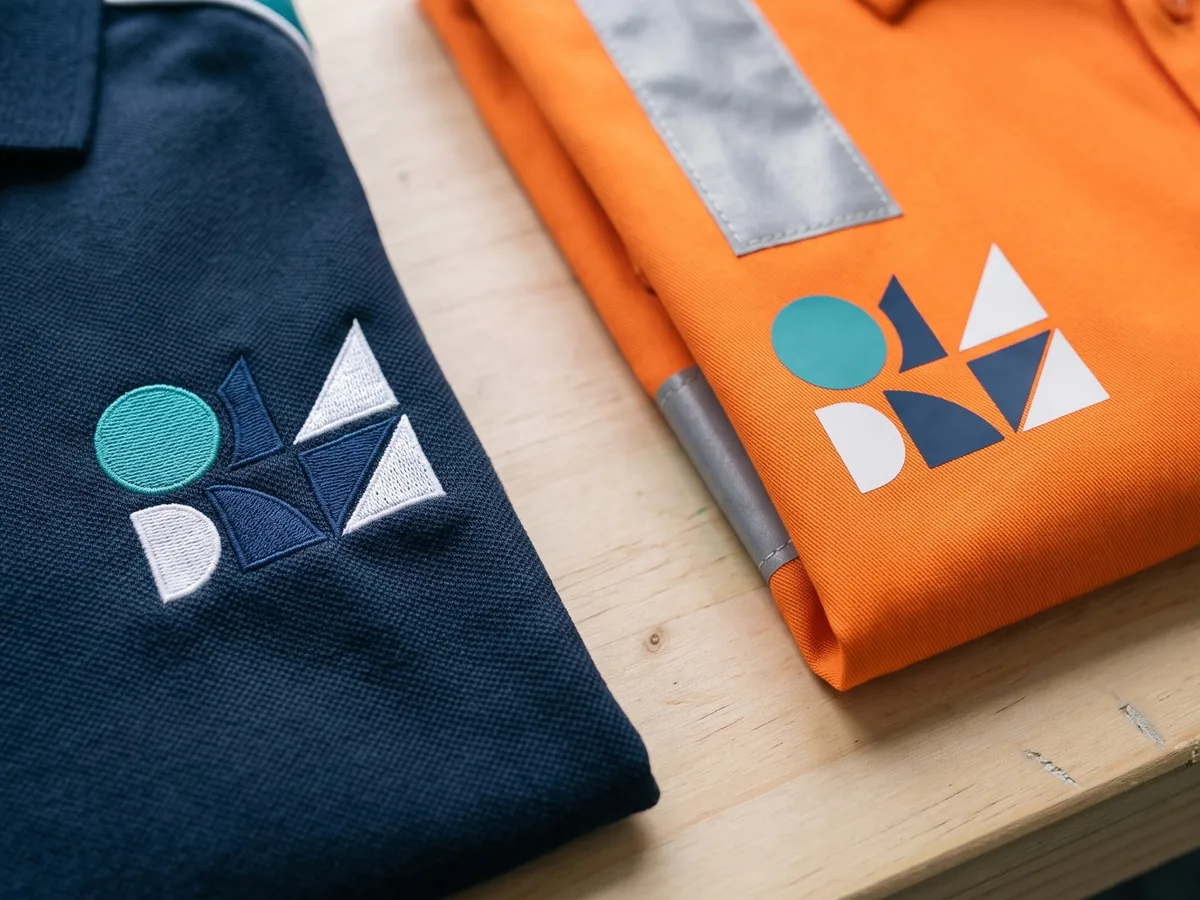
Embroidery is the standard for most corporate uniforms because it's stitched into the fabric and generally outlasts the garment. Check that the stitching is tight and detailed enough to keep a professional finish, and pair it with high quality fabrics that can withstand daily wear. Heat transfers suit lightweight performance fabrics and detailed logos, and they're the safer option on hi-vis, where stitching through reflective tape can affect its performance. Screen printing works for larger back prints on workwear, provided the print stays clean, sharp and long-lasting after repeated wear and washing so the supplier can deliver reliable results.
Ask for a sewn or printed sample of your logo on the actual garment before the full run, and check how it looks after a few washes if you can. Ask too how the supplier stores your embroidery and artwork files, and whether samples match your brand guidelines and maintain consistency across reorders, so every reorder matches the first one exactly.
Safety, compliance and tax
Some uniform items are also personal protective equipment. Under the model Work Health and Safety Regulations, a business that directs work must provide the PPE workers need, such as high-visibility clothing or safety boots, unless another business has already provided it. Safe Work Australia notes that ordinary clothing and uniforms that aren't for protection aren't PPE, so it's worth separating the two when you plan who pays for what.
For hi-vis, garments are made to AS 4602.1:2024, or to the earlier AS/NZS 4602.1:2011 on older stock, with the right class (day, night or day and night) for your sites. A supplier should ask which class and level you need before quoting, and should be able to show compliance labels and documentation.
There's also a tax angle. Employees can only claim deductions for a non-compulsory uniform if the employer has registered the design on the Register of Approved Occupational Clothing, which is administered by AusIndustry. Registering is free, single items such as a shirt on their own can't be registered and AusIndustry recommends applying before the uniform goes into production. Registration can also help employers avoid fringe benefits tax on uniform subsidies. A supplier familiar with the register can help you design a uniform set that meets the guidelines. Talk to your accountant about how this applies to your business.
Rolling out across sites
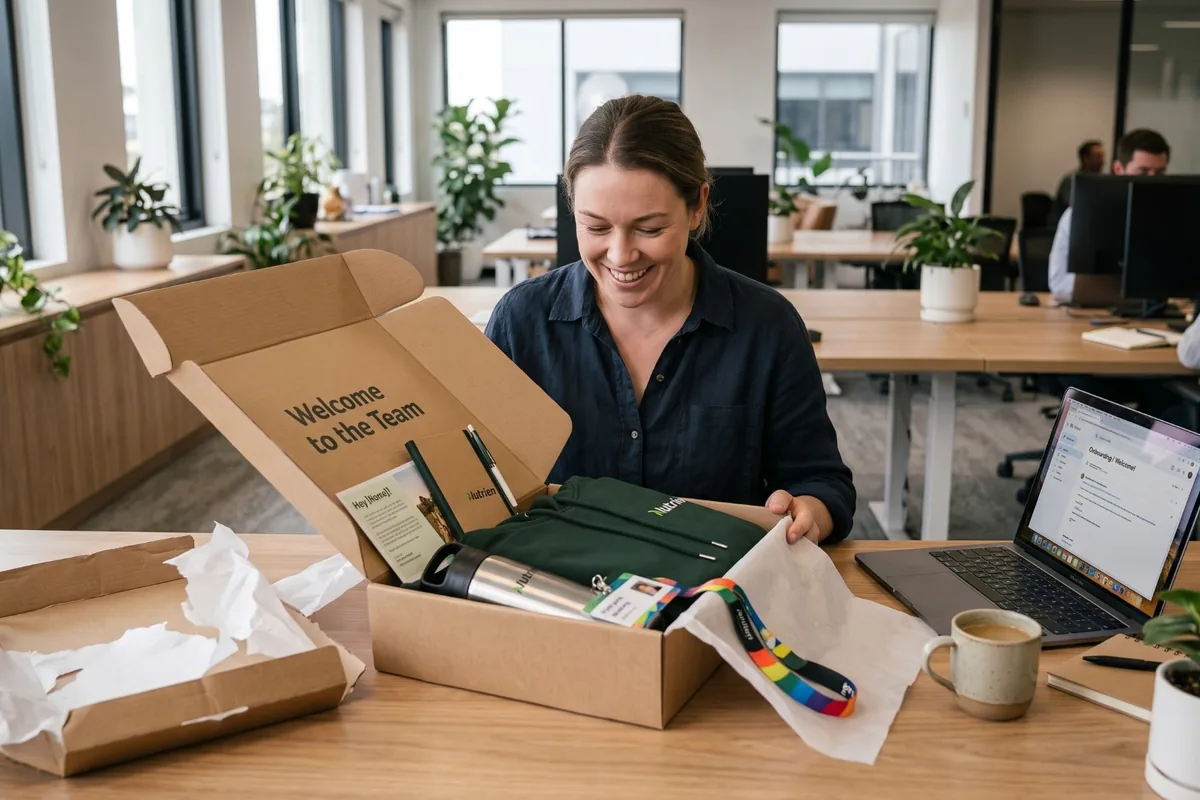
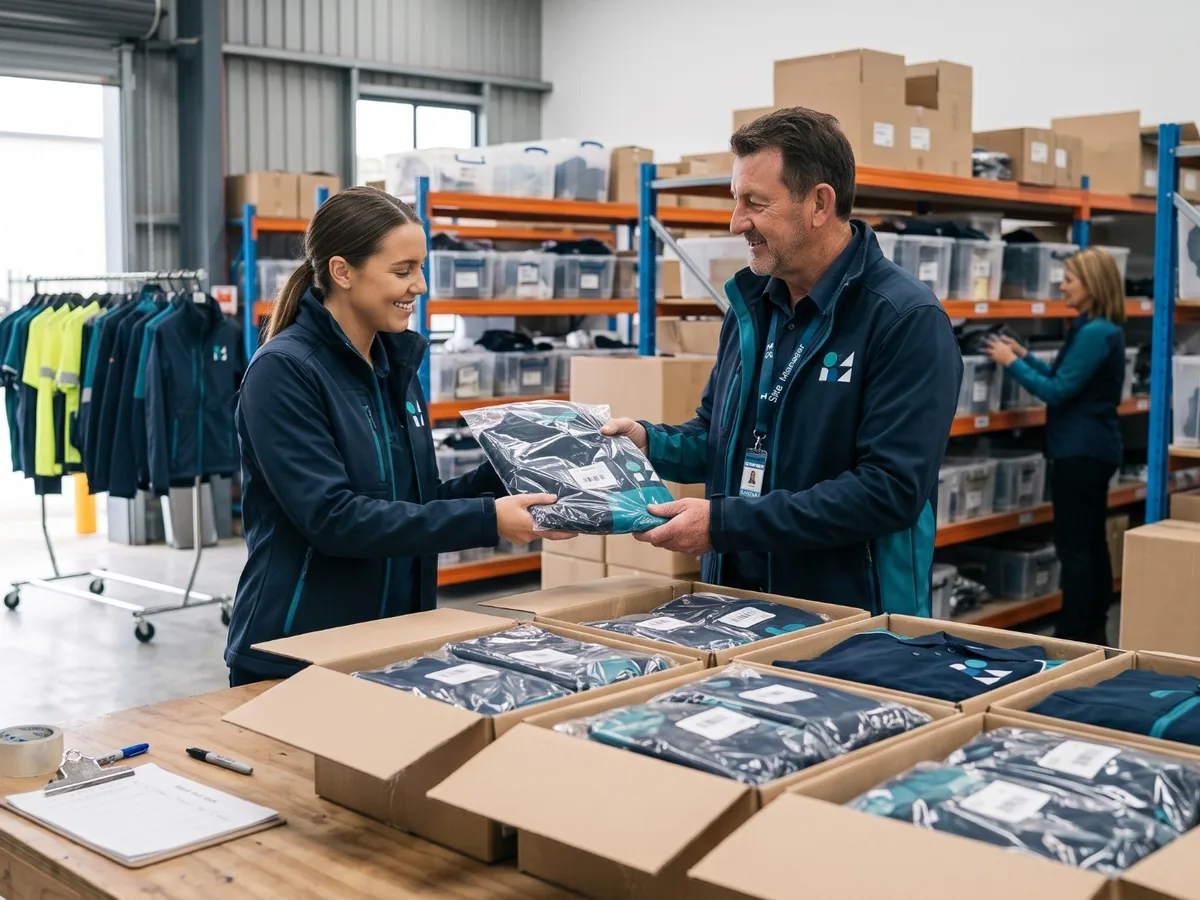
For a business with more than one location, the rollout is the real test of a supplier. Every site needs the right garments in the right sizes on the same date, packed so each person's order is easy to hand out. Done badly, you end up with a mix of old and new uniforms for months.
Ask how the supplier has handled multi-site rollouts before, whether they can pack and label orders by person and by site, what their lead times are, how simple the ordering process is, and how they'll coordinate deliveries to locations in different states. A single contact who manages the whole rollout with clear communication makes a big difference here and helps set realistic expectations. Fast approvals and responsive communication are essential to keeping multi-site timelines realistic.
Crest Promos, for example, has handled rollouts across multiple sites and gives each client one dedicated contact. It also provides free quotes and digital proofs, which helps you assess its ability to deliver against realistic timelines and keep a rollout schedule on track.
"On a rollout, the detail that matters is the label on each bag. If the site manager can hand out uniforms by name in ten minutes, the rollout worked."
Jerome Abrahams, owner, Crest Promos
Reorders, new starters, ordering process and stock
After the rollout, most uniform orders are small: two shirts for a new starter, a replacement jacket, a few extra sizes before a busy season. Slow or inconsistent suppliers cause the most frustration on these small orders, especially for daily wear items that need regular replacement, because each one can feel like starting again, and they become more expensive in the long run if the supplier adds hidden costs or extra fees.
Look for a supplier who keeps your artwork, garment choices and size records on file, so a reorder only needs names and sizes. An online ordering portal lets managers at larger businesses order within an approved range and budget. Ask for competitive pricing and compare the total cost, including delivery, setup and exchange charges, not just the first quote.
For businesses that hire regularly, ask whether the supplier can hold decorated stock for you and send it out as needed. Holding a spread of common sizes means new starters get their uniform in their first week rather than a month later, and you pay bulk prices without storing boxes at every site. In-house decoration can also give better control and faster turnaround on repeat orders. Also ask what the process is for defective items, replacements and exchanges on reorders or for new starters.
Style changes and staff departures
Every uniform program eventually changes, whether it's a rebrand, a new colour or a supplier discontinuing a style. A good supplier will warn you early when a garment is being phased out and suggest a close match, so you can plan a staged changeover rather than replacing everything at once. Treat updates as part of your wider marketing strategy so colours and branding stay aligned.
Plan for what happens to uniforms when people leave, too, because they also shape the customer experience and how customers judge trust and professionalism. Branded garments in circulation after someone has left can be a security and reputation risk in some industries. Some businesses ask for uniforms to be returned so they can be reissued, donated with logos removed or recycled. Ask your supplier whether they can help with logo removal or point you to a textile recycling option. Also ask about sustainability practices, including organic or recycled materials and sustainable manufacturing, because strong standards help reduce environmental footprints and support brand integrity. A reputable supplier should also show reliability across its supply chain, which aligns with consumer values.
Questions to ask a uniform supplier
| Stage | Questions to ask |
|---|---|
| Choosing the range | Which styles are core lines that will stay in the range? Do you offer women's cuts, extended sizes and maternity options? Does your corporate apparel range cover every role in our team, from corporate shirting to hi-vis workwear, including polos, jackets and hoodies? Can you match our brand colours and print or embroider our logo consistently on every garment, including t-shirts? Do you also supply accessories such as branded hats and bags? |
| Sizing | Can we have size samples or a fitting session? Will you keep a size record for each staff member? |
| Decoration | Which method do you recommend for each garment? Can we see a sample on the actual garment before the full run? |
| Safety and compliance | Which hi-vis class do these garments meet? Can you help us design a uniform that can be registered with AusIndustry? |
| Rollout | Have you handled multi-site rollouts? Can you pack and label orders by person and site? Can we speak to client references? How do you handle artwork approvals? |
| Reorders | How quickly can you turn around small reorders? Can you hold stock for new starters? |
| Changes and exits | How much notice will you give if a style is discontinued? Can you help with logo removal or recycling? |
Tell us about your team, your sites and your logo. We'll suggest suitable garments, with pricing and a free proof.
- Register of Approved Occupational Clothing (business.gov.au)
- Clothing and laundry deductions toolkit (ATO)
- PPE duties for businesses (Safe Work Australia)
- PPE for workers, including what isn't PPE (Safe Work Australia)
- Hi-vis classes, colours and overseas class numbers (AIMS Industrial)