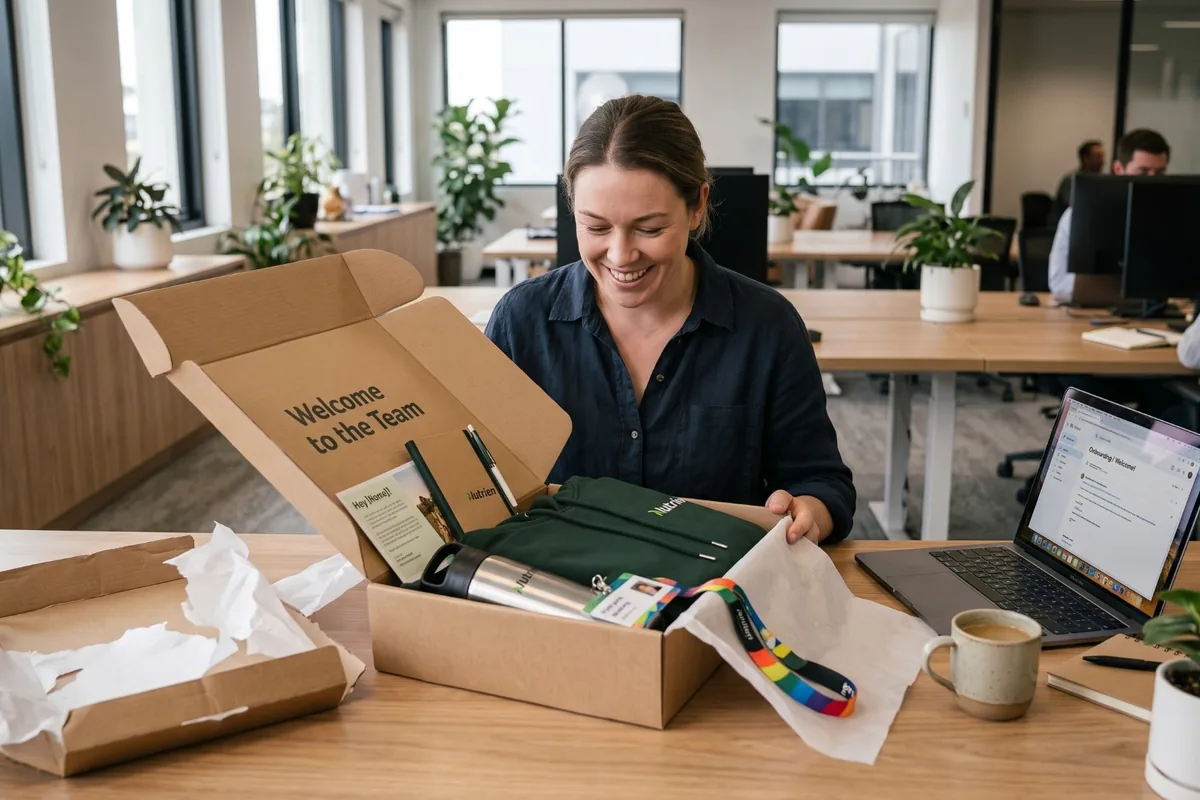
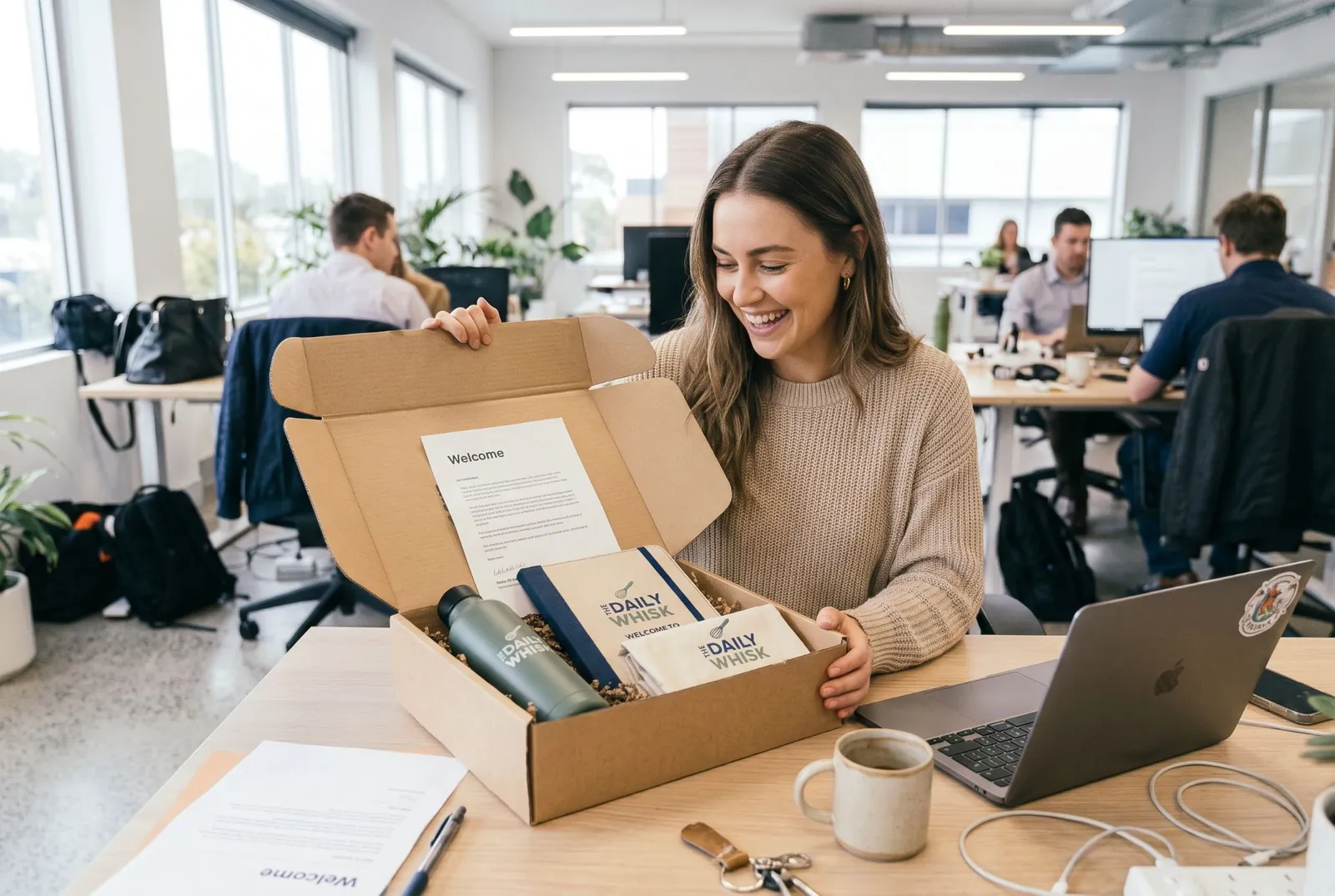
A good employee welcome kit covers the basics: a piece of branded apparel, something to drink from, something to write on and a bag to carry it all in. Add a personal note from the team and you have a pack that shows a new starter everyone was ready for them. The quality of each item matters more than how many there are, and every kit should look the same whether it's opened in Brisbane, Perth or someone's spare room.
"A welcome kit is a new starter's first look at how your business does things. If it's well made and arrives on time, that's what they'll expect from the rest of the job."
Jerome Abrahams, owner, Crest Promos
Written by Jerome Abrahams, owner of Crest Promos, an Australian promotional products company known for hands-on customer service and quality products. Jerome has 30+ years of experience supplying branded merchandise, staff packs and uniforms to businesses around Australia.
Last reviewed November 2026. For the paperwork and legal side of onboarding, see our guide to what to include in an employee onboarding kit.
The employee welcome kit ideas checklist
Use this as a starting point for the onboarding process and first week, then adjust it to suit your roles, locations and budget.
A thoughtful new employee welcome kit helps new employees feel prepared, can reduce first-week anxiety in a new job, and makes a strong first impression while reflecting company culture from day one.
- Branded apparel, such as a hoodie, jumper, t-shirt or polo in the right size.
- Drinkware, such as an insulated bottle, keep cup or mug.
- A branded notepad or notebook with a good pen.
- A branded tote, backpack or laptop bag.
- A handwritten welcome note from their manager or team to offer a warm welcome in the employee welcome pack and help create a positive experience.
- A cap or beanie for outdoor or site-based staff.
- A lanyard or ID holder if your workplace uses swipe cards.
- Tech accessories, such as a charging cable, power bank or laptop sleeve.
- A small treat from a local business, such as coffee beans or chocolate.
- A one page guide to the team, the office and the best lunch spots nearby.
- A branded box or mailer sized to the contents, or a big box if the kit includes bulkier items.
- Tissue or crinkle paper to stop items moving in transit.
- A printed card or sticker with the new starter's name.
This checklist can also spark creative ideas for more personalised kits.
Getting the core items right
Branded apparel
Apparel is usually the item new starters care about most. In a 2026 survey of more than 300 employees by US merchandise company Custom Ink, a branded hoodie or jumper was the most requested welcome kit item, picked by 34%, and it's also the item most likely to go wrong. Ask for sizes in your pre-start email, offer men's and women's cuts and choose a blank heavy enough to survive regular washing. Keep the company logo subtle so the piece still feels wearable outside the office. A hoodie that shrinks or pills after a month ends up at the back of the wardrobe. Our custom hoodie buying guide covers fabric weights and decoration in more detail.
Drinkware
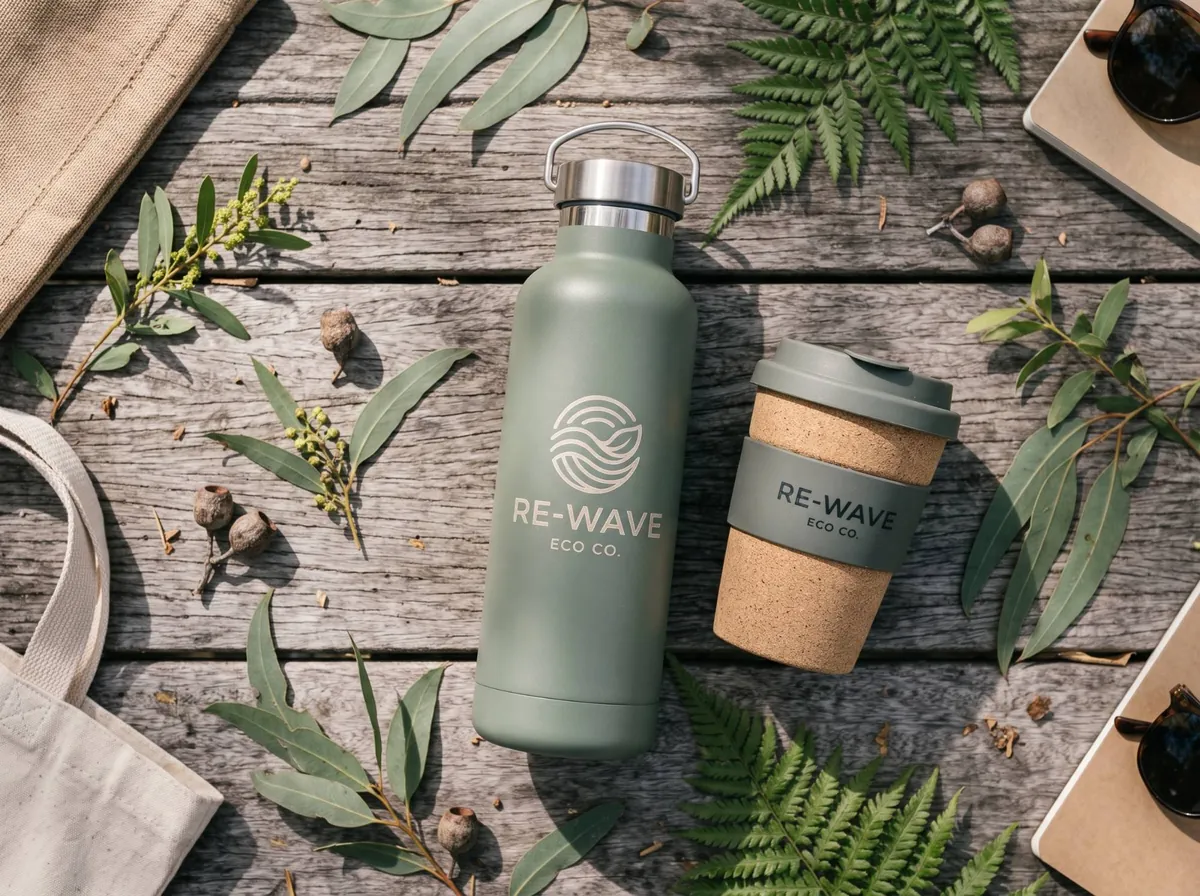
A branded water bottle or keep cup gets used every day and sits on a desk where your logo is seen constantly. A drink bottle or reusable coffee cup also supports daily use and keeps your branding visible. Stainless steel bottles suit most roles, a coffee cup suits office teams with a coffee habit and a good ceramic mug works for staff who are mostly on site. Some businesses pair these with healthy snacks, while others use pre-start surveys to add favourite extras like high quality snacks. Laser engraving on steel lasts longer than a printed logo, and bottles or totes made from recycled materials can also reinforce a durable, practical brand choice. A branded phone stand is another practical, desk-friendly extra that pairs well with drinkware in a kit.
Notepads and pens
A hardcover quality notebook with an elastic closure and a branded pen feels like a proper work tool rather than stationery from the supply cupboard. New starters take a lot of notes in their first few weeks, so practical office supplies like this get used straight away. A pen loop on the notebook keeps the pair together. Some teams also include a new employee welcome packet alongside it, with practical information such as role expectations, login credentials, emergency procedures, and an employee handbook kept separate from the gift items to help someone settle into a new company.
Branded bags
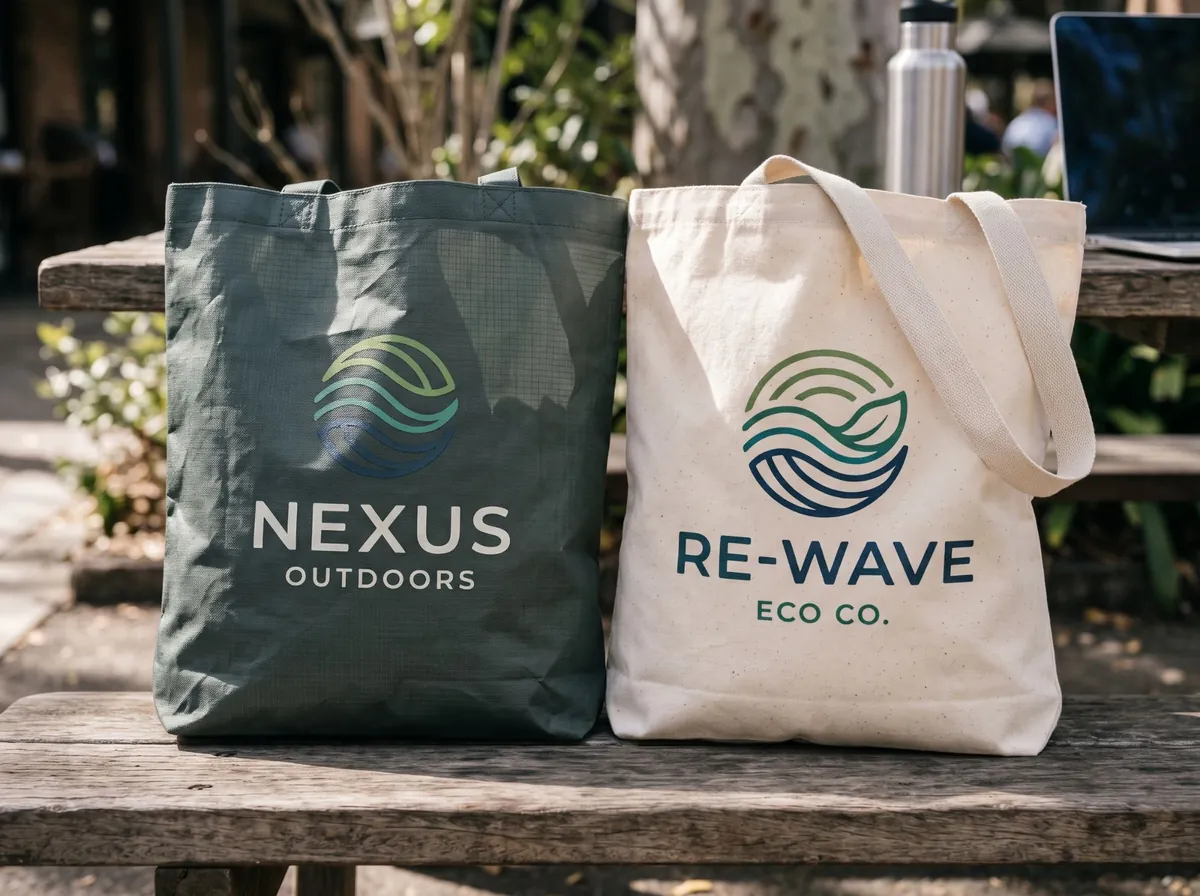
A tote bag, backpack or laptop bag is the item most likely to be seen outside the office, on the commute, at the gym, at the shops, or at industry events like conferences and training days. Choose a size and style that suits how your team gets to work. A tote made from recycled materials can reinforce what the company stands for while still being useful outside work. Commuters on public transport tend to use a good backpack daily, while a sturdy tote suits people who drive. A smaller logo often gets a bag used in more places, which helps keep the kit on brand and aligned with the company's personality.
Custom Ink's survey also found 64% of employees say low quality branded gear gives them a negative impression of their employer, so it's worth spending a little more on fewer items.
Packaging and presentation
The box is the first thing a new starter sees, so it's worth getting right. A rigid branded box or a printed mailer with tissue paper looks considered and creates a better unboxing moment; some businesses use a company swag presentation to make the contents feel more deliberate, while the same items loose in a satchel look like an afterthought. Size the box to the contents so nothing rattles around in transit.
Put the handwritten note on top, where they'll see it straight away. If you have room, make it a welcome letter or personalised note as a top-of-box insert; a handwritten welcome letter or a short note from team leaders can help new team members feel welcomed and adds a personal touch. A name sticker or printed card on the lid makes the kit feel personal before it's even opened, and it helps whoever is handing kits out on a busy first day.
You can also add a QR code to the card or insert that links to a welcome video, team introduction, or quick feedback form.
For remote team members, the kit is often the only physical contact they have with the business in their first weeks. Custom Ink found only half of organisations with remote staff managed to ship welcome kits to the employee's home before their start date, so plan delivery for the week before day one.
Keeping kits consistent as you grow
One welcome kit is easy to put together, but the fifth in a month, for starters in three different cities, is where most businesses run into trouble. Sizes run out, someone substitutes a different bottle, the notebook is from an older batch with the previous logo and the kit for the Perth office arrives a week after the new starter. Good onboarding packs stay consistent, even when they are sent to remote employees or split across different offices.
The fix is to stop treating scalable custom welcome kits as a separate order each time. Order non-sized items like bottles, notebooks and bags in bulk, keep a spread of apparel sizes on hand and pack every kit to the same specification. Bulk orders also bring the unit price down and cut repeat setup fees.
Few businesses have the storage space or the people to do that themselves. Crest Promos holds stock on behalf of clients and packs and dispatches welcome kits as new starters are confirmed, so the kit scales with headcount and looks the same at every location. That also makes it easier to support remote hires with tracked delivery, and some suppliers can offer flat-rate shipping. Some systems also let staff choose their own items, sizes, colours or delivery details through custom packs, which reduces admin as headcount grows, and can support new hire kits across multiple locations or different role types.
"The businesses that do welcome kits well treat them like a product. They keep the contents, the packing and the standard the same every time, whether it's the second hire this year or the two hundredth."
Jerome Abrahams, owner, Crest Promos
Employee welcome kit FAQs
How much should a welcome kit cost?
Budget around $50-150 per employee welcome kit, though the final price depends on the contents. A kit with a bottle, notebook, pen and note costs far less than one that adds a hoodie and a backpack. Ask your supplier for pricing at a few quantity levels, since ordering stock in bulk usually lowers the cost per kit. If needed, keep the core pack consistent and offer premium versions for specialist roles.
Should every new starter get the same kit?
Keep a common core of branded items so everyone gets the same welcome, helping attract and support new talent, then add role-specific extras, such as a cap and beanie for site staff or a laptop sleeve for office teams. That way, each version stays on brand while still reflecting your company values.
How do we handle apparel sizes?
Ask for sizes before the start date and keep a small stock of the most common sizes on hand. Your supplier can hold that stock for you if you're hiring regularly.
How far ahead should we order?
Branded stock typically takes a few weeks to produce, so order your first batch well before you need it. Once stock is held and packed to a standard, individual kits can go out as each new starter is confirmed.
Before you order
Work out how many people you expect to hire over the next year, where they'll be based and what a kit should include for each type of role as part of your wider onboarding process. Share that with your supplier along with your logo, and ask for a proof of every item and a sample kit before committing to stock, making sure each role has a practical welcome pack and that the kit includes any essential documentation or company policies in the right format, whether inside the kit or as separate onboarding materials. A well-planned kit helps new starters hit the ground running.
Tell us roughly how many people you're hiring, where they're based and your budget per kit. We'll suggest the contents and send free digital proofs so you can see every item before you commit.